
ATS-Friendly CV vs Personal Website: What Each One Is Actually For
An ATS-friendly CV may help you get through software filters, but it is a weak way to make an impression on a recruiter. If you want to look polished, current, and memorable, a personal website does that job far better.

Javier Martínez Samblas
Founder of Self · AI-powered resume-to-website platform
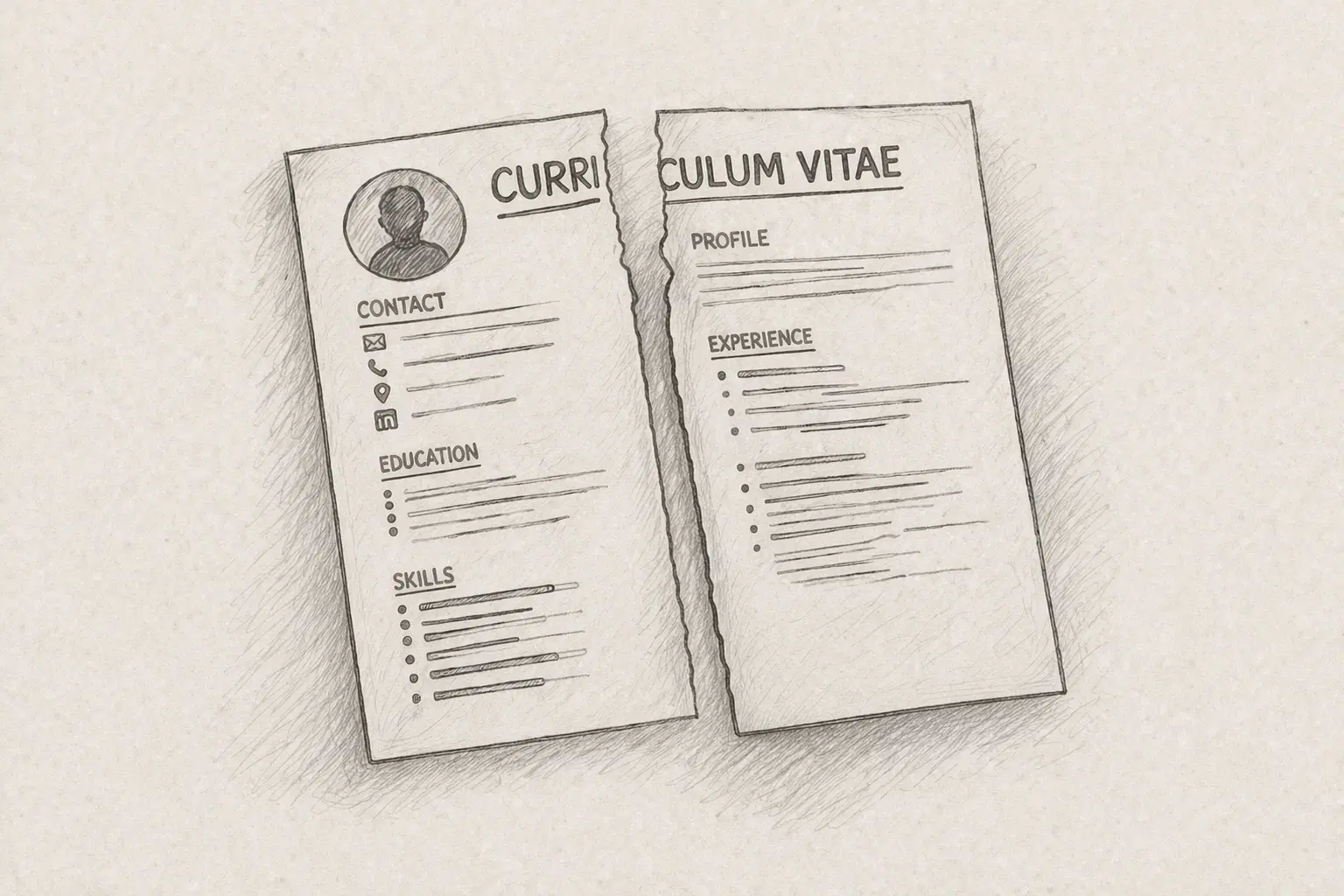
A lot of people still treat the CV as if it were their main professional showcase. That made more sense when hiring revolved around attachments and printouts. Today, an ATS-friendly CV and a personal website serve almost opposite purposes.
The ATS-friendly CV is built for parsing, not persuasion. Its best version is plain, predictable, and stripped of most of the things that make a person feel distinctive. That may help software read it, but it does very little to make a recruiter care.
This is why ATS-oriented CVs usually make a weak impression. They flatten personality, compress nuance, and leave little room for taste, voice, or presentation. Even when the experience is strong, the format itself is rarely memorable.
That is also why most people should stop wasting time polishing the CV visually. Fancy layouts, unusual typography, and decorative structure usually do not help parsing, and they do not magically turn the document into something impressive. Plain text is often enough because the medium itself is limited.
A personal website solves the human side of the problem. It gives recruiters a clearer sense of who you are, how you think, what you have built, and what is worth remembering. It can present projects, links, writing, and context with much more clarity and much less friction.
More importantly, it feels current. A good website is easier to browse, easier to share, and easier to explore on any device. It shows judgment and care in a way an ATS-friendly document rarely can.
The practical takeaway is simple: do not obsess over the ATS-friendly CV. Keep it clean, make it readable by software, and move on. If you care about aesthetics, credibility, and recruiter impression, turn your resume into a website and use a clean online resume as the more memorable layer.