Self vs Canva: Why Self Is Better for Turning Your Resume Into a Professional Website
Canva is excellent for visual design, but if your goal is to turn an existing resume into a polished, recruiter-friendly website, Self gives you a more focused workflow and a more professional final result.

Javier Martínez Samblas
Founder of Self · AI-powered resume-to-website platform
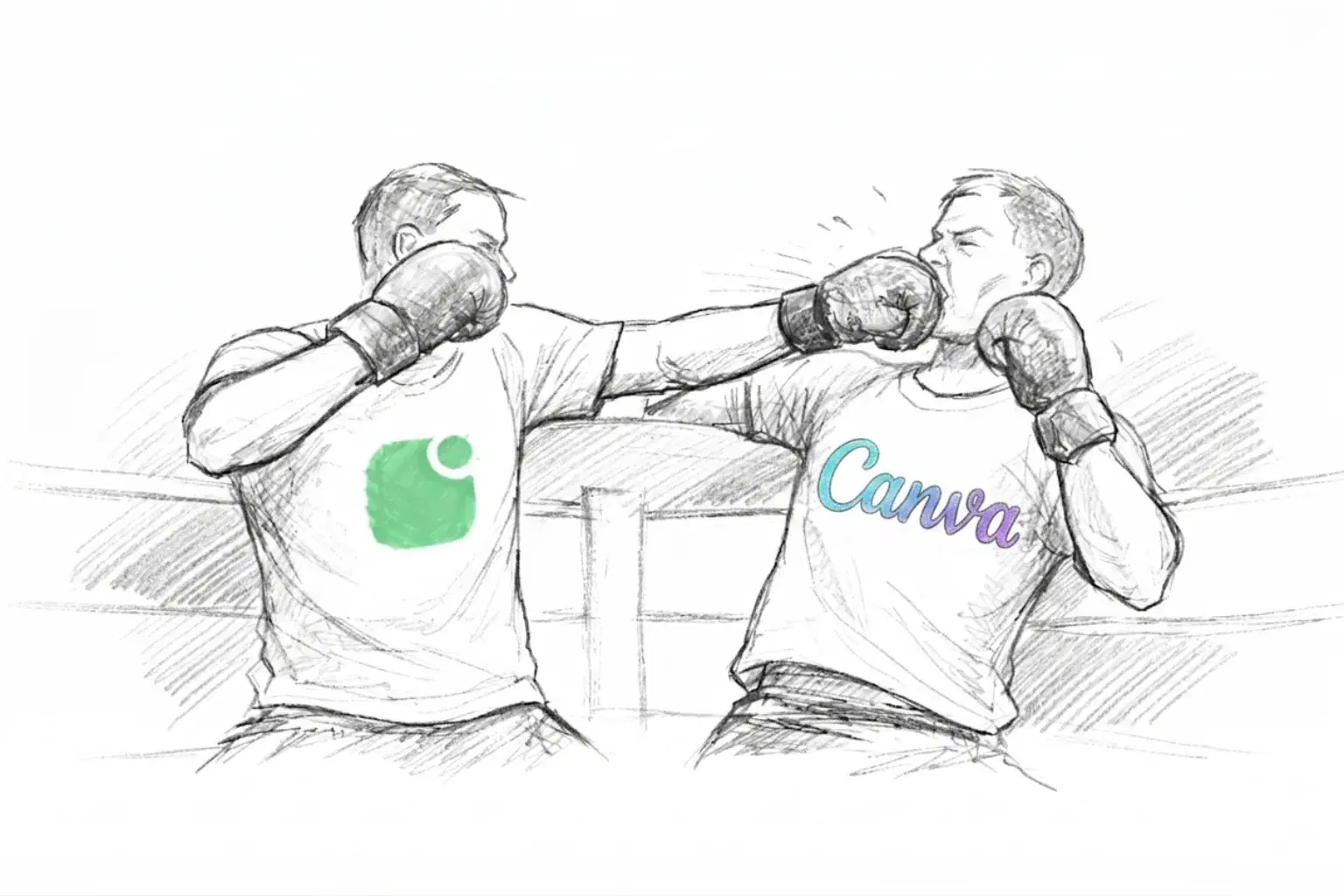
Canva is one of the most useful design tools on the web. It gives people a fast way to create resumes, presentations, social posts, portfolios, and simple one-page websites without needing design software.
That breadth is Canva's strength. It is also the reason Self is a better fit when the job is narrower: turning an existing resume or portfolio into a focused professional website. If you're mainly looking for a resume or portfolio website builder, see our dedicated guide to Self as a Canva alternative.
A resume website should not just be a decorated version of a document. It needs to be readable, structured, easy to share, and clear enough for a recruiter or hiring manager to understand quickly. Self is built around that exact outcome.
Website-first design
Self
Strong fit
Canva
Not the main focus
Clean hosted URL
Self
Free yourname.self.cv URL
Canva
Hosted under a Canva site path
SEO optimization
Self
Full controls on paid plans
Canva
More limited SEO control
Visitor analytics
Self
Included on paid plans
Canva
Not a core feature
Easy website creation workflow
Self
Fast upload-to-publish workflow
Canva
More manual design setup
Social sharing cards
Self
Included
Canva
Not included
Professional personal website
Self
Strong fit
Canva
Possible, but less focused
AI profile edits
Self
Strong fit
Canva
Broader design-oriented AI
Creative portfolios with media
Self
Images, videos, and YouTube links
Canva
Available
Web-oriented templates
Self
Strong fit
Canva
Available
Visual design freedom
Self
Enough control without heavy design work
Canva
Strong fit
Broader design work
Self
Not included
Canva
Strong fit
| Features | Self | Canva |
|---|---|---|
| Website-first design | Strong fit | Not the main focus |
| Clean hosted URL | Free yourname.self.cv URL | Hosted under a Canva site path |
| SEO optimization | Full controls on paid plans | More limited SEO control |
| Visitor analytics | Included on paid plans | Not a core feature |
| Easy website creation workflow | Fast upload-to-publish workflow | More manual design setup |
| Social sharing cards | Included | Not included |
| Professional personal website | Strong fit | Possible, but less focused |
| AI profile edits | Strong fit | Broader design-oriented AI |
| Creative portfolios with media | Images, videos, and YouTube links | Available |
| Web-oriented templates | Strong fit | Available |
| Visual design freedom | Enough control without heavy design work | Strong fit |
| Broader design work | Not included | Strong fit |
The practical difference is the workflow. In Canva, you are usually starting from a design template and shaping the page manually. That can be flexible, but it also means turning a job-search task into a design task.
Self starts from your actual resume or portfolio. Upload it, review the AI-generated draft, refine the content, choose a template, and publish. The product is built to get you from existing career material to a credible public page with much less manual setup.
That matters because the goal is not just to make something attractive. It is to make something useful in a real hiring context. Self is specialized for presenting your profile clearly to recruiters, with readable sections, stronger professional structure, a clean self.cv subdomain available on Free, and paid upgrades for analytics, SEO controls, and deeper customization.
Canva still makes sense if you want a broader design suite, need social or marketing assets, or want maximum control over visual composition. But if your priority is a resume website that is specialized for professional presentation and job-search outcomes, Self is the stronger choice.